Things to do
Suggestions from the local organisers, from a coffee near the venue to a day in the páramo.
Around the venue
- Parque de la 93. A small park ringed by restaurants, cafés and bars. The natural meeting point after the sessions.
- Museo del Chicó. A colonial hacienda with gardens and a small museum, at the eastern edge of the neighbourhood.
- Parque El Virrey. A long, narrow park ten minutes to the south, good for a run or a walk before breakfast.
- Zona T and Zona Rosa. Pedestrian streets with shops, bars and clubs around Calle 82 to 85.
- Usaquén. A former village absorbed by the city, with a colonial square, good restaurants and a flea market on Sundays.
- Zona G. A few streets around Calle 69 with some of the best-known restaurants in the city.
Across the city
- La Candelaria. The colonial centre: Plaza de Bolívar, steep streets, old churches and some of the best street art in South America.
- Museo del Oro. More than 30,000 pieces of pre-Columbian goldwork. The congress tour on Thursday includes it.
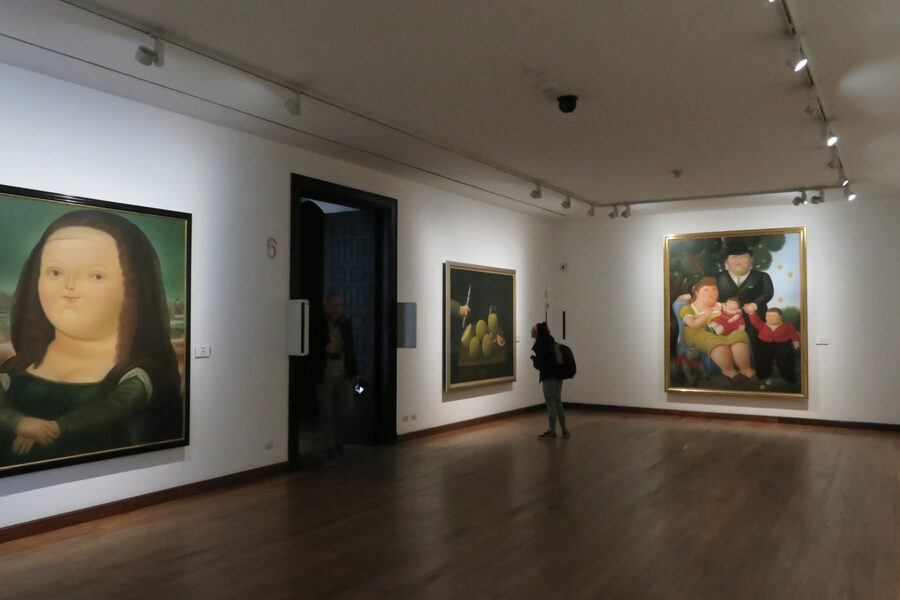
- Museo Botero. Fernando Botero’s own works and his collection of Picasso, Monet, Bacon and others, in a colonial house. Entry is free.
- Monserrate. The sanctuary on the hill above the centre, at 3,152 m (10,340 ft), reached by cable car or funicular. Also part of the Thursday tour.
- Paloquemao market. Go in the morning for fruit you may never have seen: lulo, guanábana, pitahaya, uchuva, curuba, feijoa.
- Jardín Botánico. The botanical garden, with Andean forest and páramo plants, including the frailejones of the high moorlands.
- Ciclovía. Every Sunday and public holiday morning, main roads close to cars and fill with bicycles, runners and families. It has been running since 1974.

Food and coffee
Try ajiaco, the city’s signature soup of chicken, three kinds of potato and the herb guascas, and hot chocolate served with cheese, which is less strange than it sounds. Fresh fruit juices are everywhere.
Colombia keeps more and more of its best coffee at home, and specialty cafés are easy to find near the venue. Ask for a tinto if you want a small black coffee the way most Colombians drink it.
Bogotá’s restaurants have earned an international reputation in recent years. El Chato, in Chapinero, topped the list of Latin America’s 50 Best Restaurants in 2025. Book well ahead for the best-known places.
Music
Bogotá has been a UNESCO City of Music since 2012. On any night of the week there is live salsa, cumbia, jazz, rock or electronic music somewhere in the city, much of it in Chapinero and Zona T. For a short introduction to the country’s music, see Colombia.
For birdwatchers and naturalists
Colombia has more bird species than any other country, and some of them live inside the city.
- Urban wetlands. La Conejera, Córdoba and Santa María del Lago are home to birds found nowhere else, such as the Bogotá rail and Apolinar’s wren.
- Hummingbird gardens. Several private reserves in the hills around the city, about an hour away, attract a dozen or more hummingbird species to their feeders.
- Chicaque Natural Park. Cloud forest on the western edge of the plateau, with trails and good birding, about an hour from the city.
Day trips
- Zipaquirá Salt Cathedral. A church carved inside a salt mine, about 50 km (31 mi) north of the city.
- Laguna de Guatavita. The round, green lake where Muisca rituals gave rise to the legend of El Dorado. About two hours away.
- Chingaza National Natural Park. High páramo with frailejones, lakes, white-tailed deer and, with luck, spectacled bears. Visits need advance booking and a guide.
- Villa de Leyva. A whitewashed colonial town with one of the largest cobbled squares in the Americas, three to four hours away. Best with an overnight stay.
Opening days and booking rules change, so check each place before you go. Several day trips can be arranged through local tour agencies or your hotel.
Last updated